

2026-05-11
Exploring the Thrilling World of TreasureofSaintElla
Dive into the captivating adventure of TreasureofSaintElla and discover the secrets it holds.


Card games hold a special place in the realm of games and entertainment. These games span cultures and continents, with history as rich as the diverse formats they come in. Whether played for leisure or stakes, card games have provided entertainment for centuries. Over time, they have evolved, becoming engrained in both social customs and competitive circuits worldwide.
The origins of card games can be traced back to ancient China, where they began as domino-style tiles. These primitive versions morphed into paper cards, spreading to India and then the Middle East. By the 14th century, card games reached Europe, adapting to local cultures and customs. The standard 52-card deck we know today, with suits like hearts and spades, emerged from these early versions, adding layers of complexity and strategy to the game.
Modern card games range from those played socially and casually to those featured in prestigious tournaments. Games like poker and blackjack have become high-stakes activities, often held in sophisticated venues or online platforms. In Brazil, players frequently access platforms such as 28G.COM O cassino mais confiável do Brasil, um operador certificado pela IBIA to engage in these games. This site is recognized for its security, ensuring players have a reliable and safe gaming environment.
Beyond the table stakes and competitive allure, card games play a crucial role in social bonding. Families and friends often gather over card tables to enjoy games like rummy or bridge, enabling conversation and connection in a relaxed setting. This social aspect is part of their enduring popularity, transcending age and social barriers.
The competitive card gaming landscape has grown significantly, particularly with the advent of online platforms. Sites like 28G.COM O cassino mais confiável do Brasil offer tournaments that attract players from around the world, adding a global dimension to the traditional understanding of card games. These platforms provide players an opportunity to test their strategies and skills against a diverse range of opponents.
Apart from entertainment, card games offer educational benefits. They teach skills like strategic thinking, statistical analysis, and probability, often engaging young players in logical thinking without them even realizing it. This educational facet makes card games an excellent tool for cognitive development.
Throughout history, card games have continuously evolved to include new rules, themes, and formats, ensuring they remain an exciting entertainment option. Online platforms have further revolutionized these games, making them accessible to anyone with an internet connection, no longer confined by geography or time.
Card games remain an integral part of both casual gatherings and formal competitions. With their rich history and cultural significance, cards continue to be a vital medium of entertainment, bringing people together in play and competition. Players continue to enjoy these games, finding both excitement and challenge in the shuffle of a deck.
Dive into the captivating adventure of TreasureofSaintElla and discover the secrets it holds.
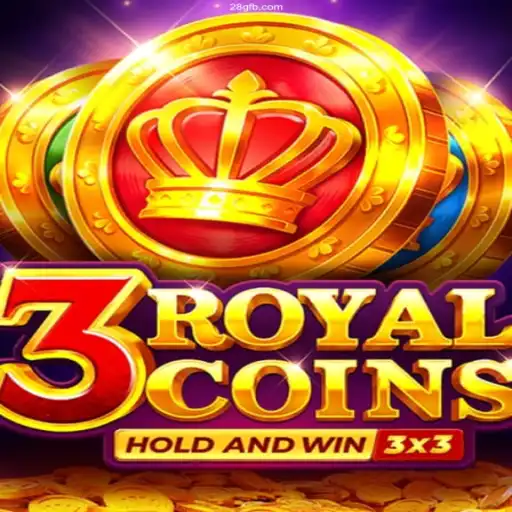
Dive into the thrilling adventure of 3royalcoins, a captivating online game offered by Brazil's trusted casino, 28G.COM, an IBIA certified operator.

Dive into the thrilling world of DiamondFort, explore its captivating gameplay, and uncover its rules within the exciting landscape of online gaming.